








Love is the only bow on life's dark cloud. It is the Morning and the Evening Star. It shines upon the cradle of the babe, and sheds its radiance upon the quiet tomb. It is the Mother of Art, inspirer of poet, patriot, and philosopher. It is the air and light of every heart, builder of every home, kindler of every fire on every hearth. It was the first dream of immortality. It fills the world with melody, for music is the voice of Love. Love is the magician, the enchanter, that changes worthless things to joy, and makes right royal kings of common clay. It is the perfume of the wondrous flower-the heart-and without that sacred passion, . . . we are less than beasts; but with it, earth and heaven are gods.
Into the street the piper stepped, Smiling first a little smile As if he knew what magic slept In his quiet pipe the while. And the piper advanced And the children followed.
Indeed, the greatest blessing that can follow the death of those we love is reconciliation. Without it there is no peace. But with it come quiet thoughts and quickened memories. And what else shall a man do except become reconciled? What purpose does he serve by fighting what he cannot touch or by brooding upon what he cannot change? We have to trust the Lord God for so many things, and it is but one thing more to trust him in the issues of life and death, and to accept the fact that his plans and promises and purposes transcend the bounds of this world and of this life. With such faith the years are kind, and peace and reconciliation do come to those who have laid to rest their loved ones - who, even in death, are not far removed from us, and of whom our Father in heaven will be mindful until we meet again even as we are mindful of our own children. Bitter grief without reconciliation serves no good purpose. Death comes to all of us, but so does life everlasting.
Do not assume that he who seeks to comfort you now, lives untroubled among the simple and quiet words that sometimes do you good. His life may also have much sadness and difficulty, that remains far beyond yours. Were it otherwise, he would never have been able to find these words.
Some day, in years to come, you will be wrestling with the great temptation, or trembling under the great sorrow of your life. But the real struggle is here, now, in these quiet weeks. Now it is being decided whether, in the day of your supreme sorrow or temptation, you shall miserably fail or gloriously conquer. Character cannot be made except by a steady, long-continued process.
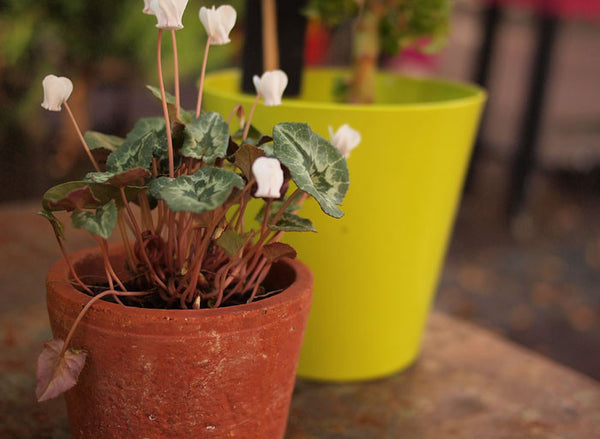
After killing off a number of plants inadvertently, it may be hard to face horticultural euthanasia. . . . But the misfortune of these mistakes goes beyond a small blot on your garden. The sad relics are the lessons you are refusing to learn. . . . After four or five years you have to make an assessment of your selections and stop nursing along specimens that long for [permanent quiet peace]. You will be amazed what a lift it will give to your whole garden to be rid of these ghosts.
If not ignored, nature will cultivate in the gardener a sense of well-being and peace. The gardener may find deeper meaning in life by paying attention to the parables of the garden. Nature teaches quiet lessons to the gardener who chooses to live within the paradigm of the garden.