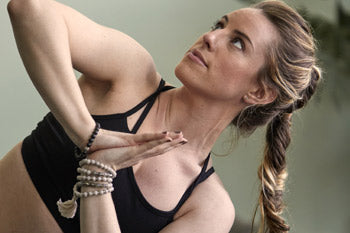
Explore Dianne's journey through yoga.
Learn More
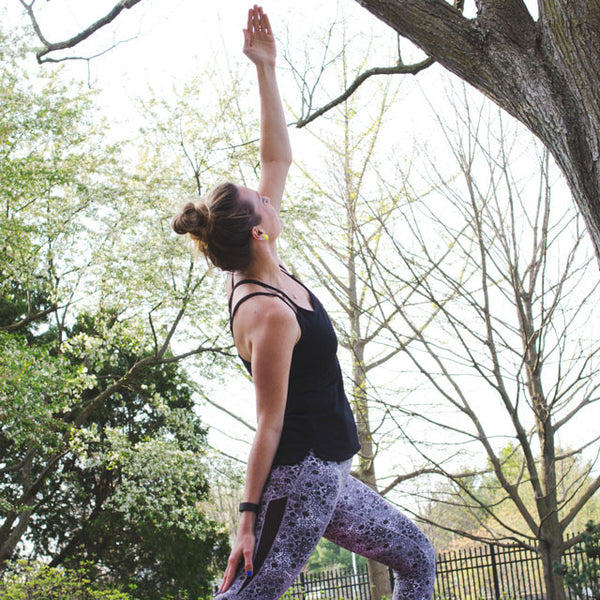
Three morning rituals to strengthen your yoga practice and mind.
Learn More
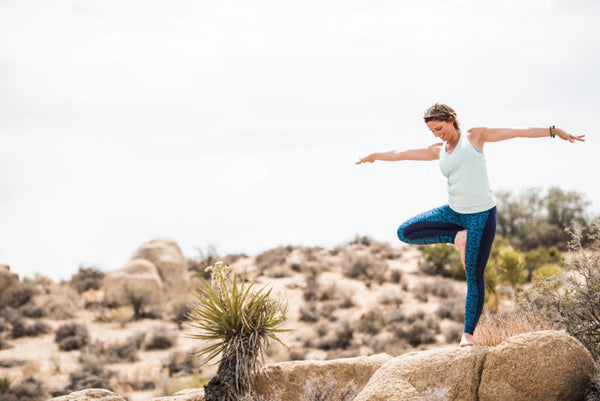
Take our short quiz to find out!
Learn More
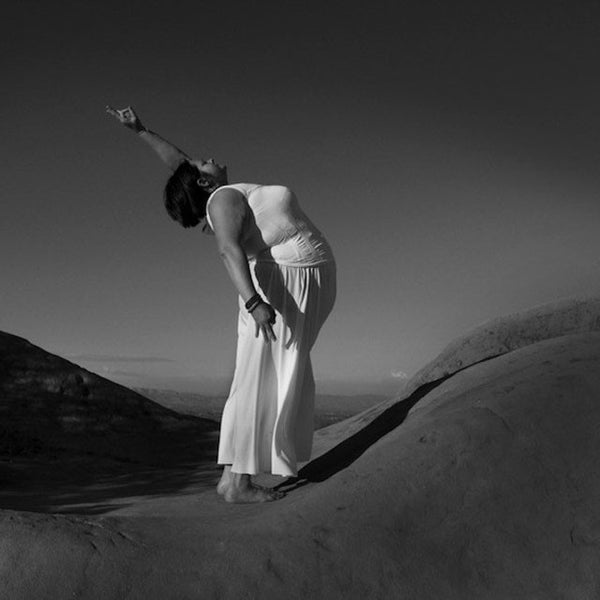
Cami Cote is busting myths on the "yoga body."
Learn More
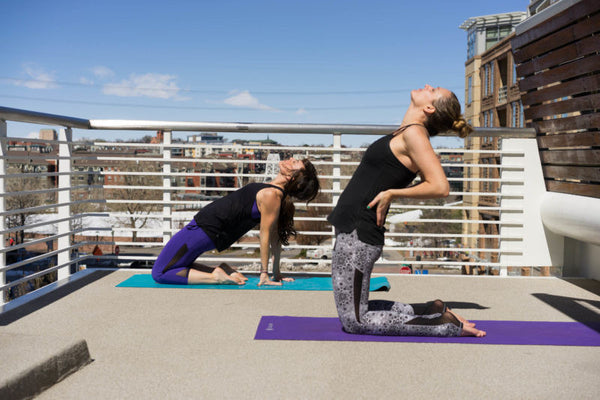
“Change is hard at first, messy in the middle, and gorgeous at the end.”
Learn More
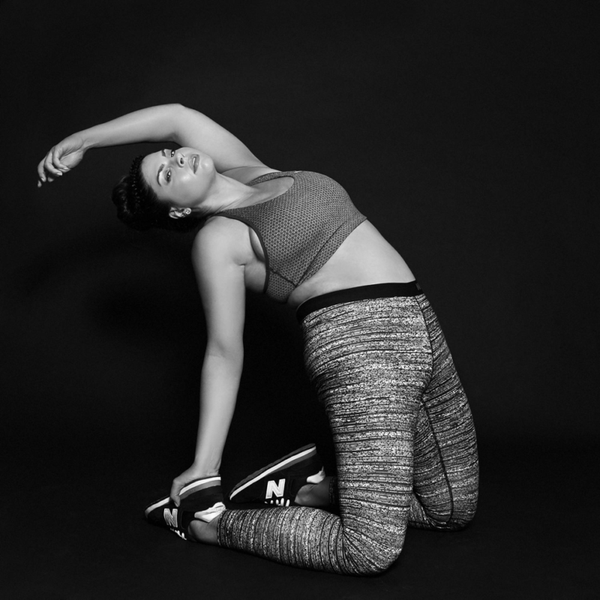
Your body is perfect, just as it is.
Learn More
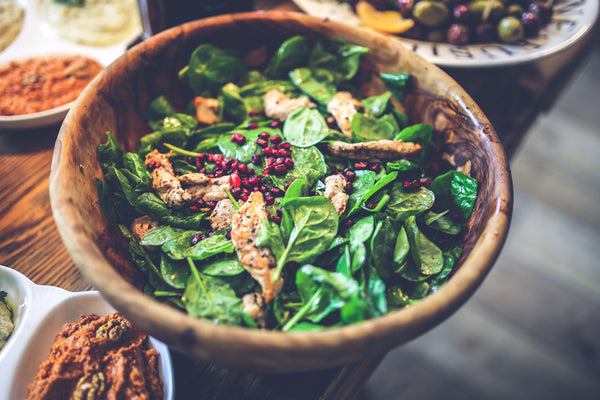
A fresh salad recipe for autumn using the season's most ripe produce.
Learn More
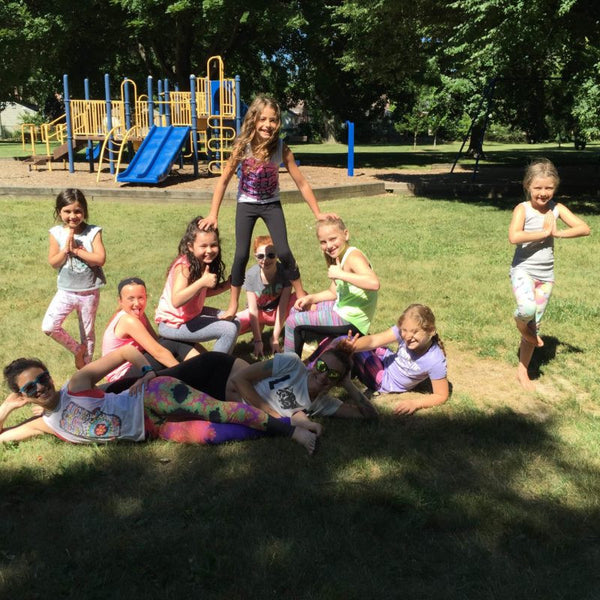
Autumn-inspired poses for your little yogis.
Learn More

Slightly summery soup for busy back-to-school.
Learn More
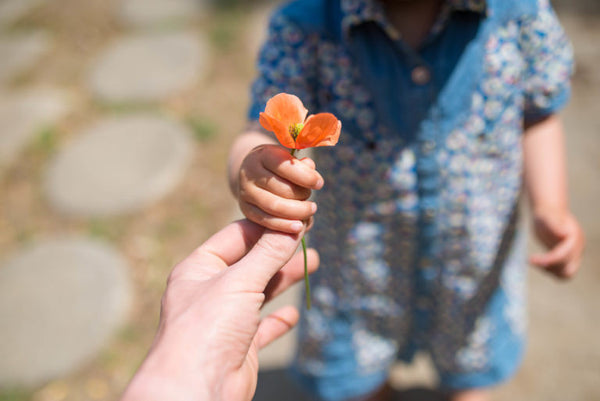
Changing your life through gratitude.
Learn More

10 ways doing yoga in Nepal changed my perspective of the practice.
Learn More
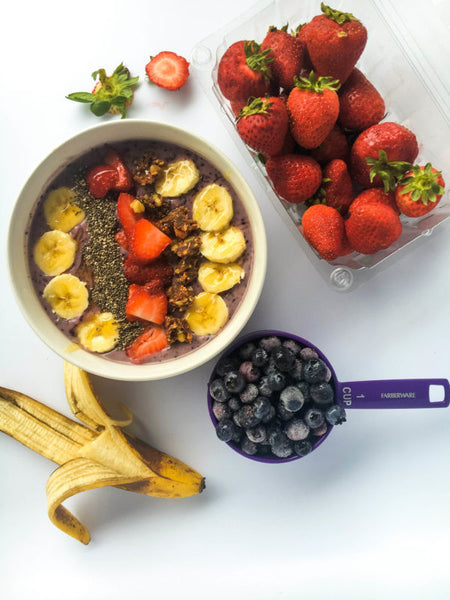
Easy, healthy, and delicious
Learn More
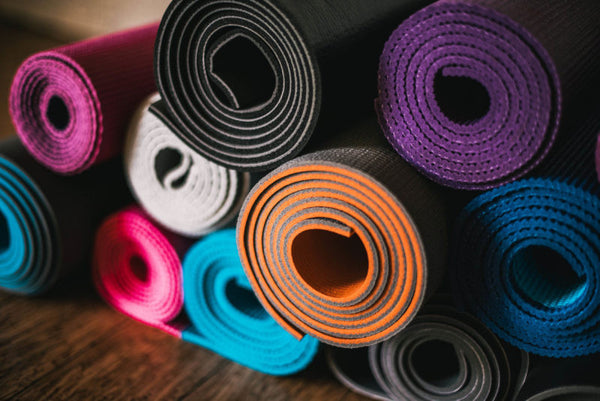
Tips to clean a yoga mat
Learn More
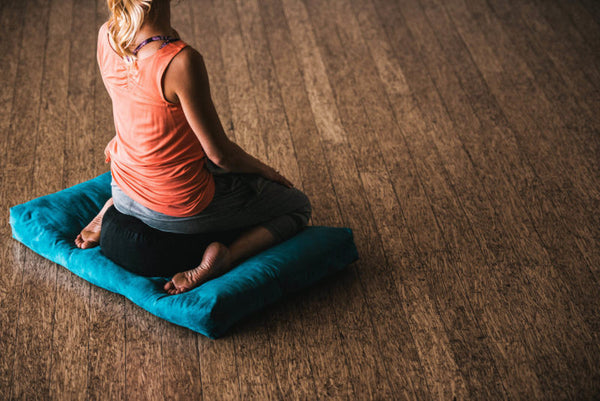
Set yourself up for success
Learn More
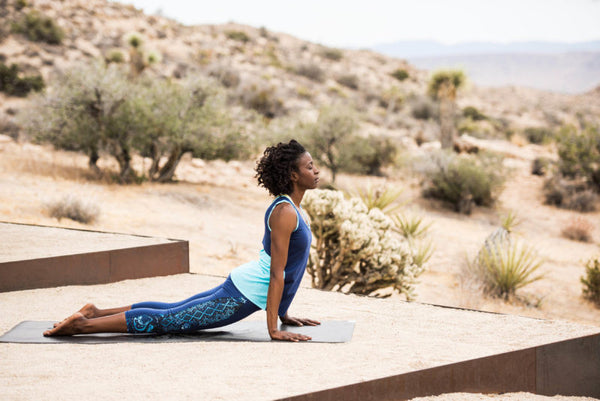
Explore 3 life-changing effects of yoga
Learn More
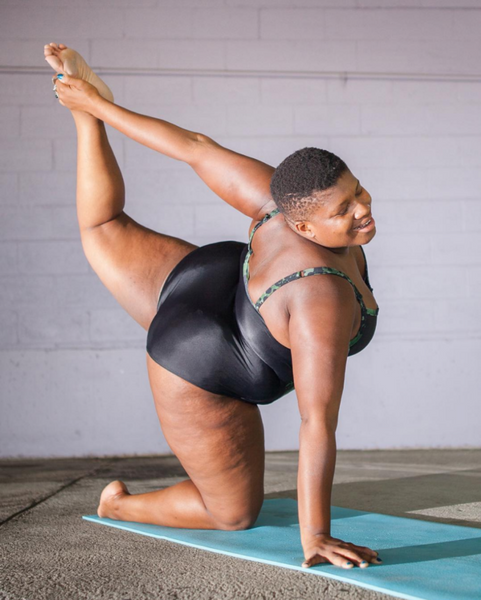
Advice for curvy yoga beginners
Learn More
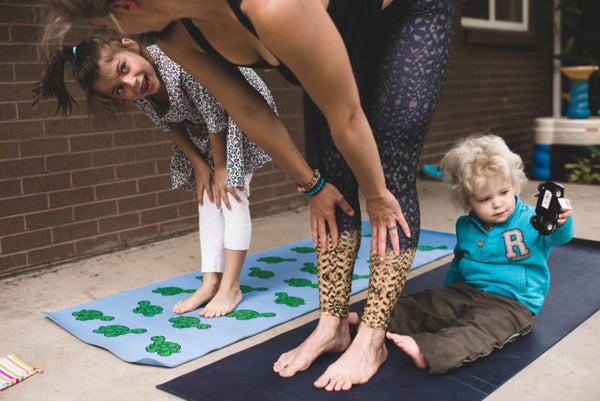
Looking for a mess-free bonding activity with the kiddos?
Learn More

Yoga and beyond
Learn More

Moving on from what bothers you
Learn More
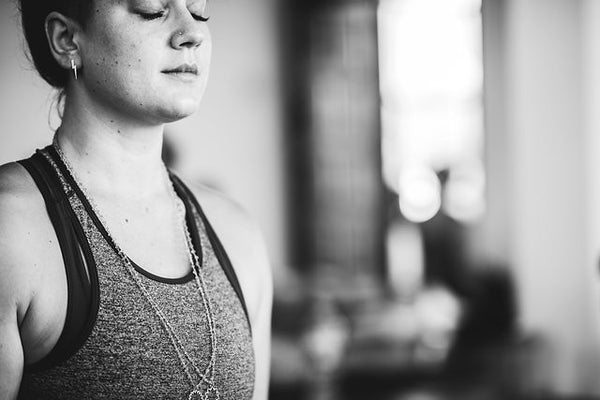
5 tips for a mindfulness meditation practice
Learn More
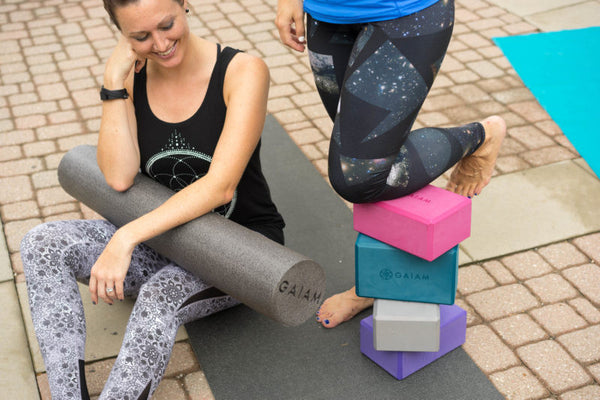
Power up your practice with props!
Learn More
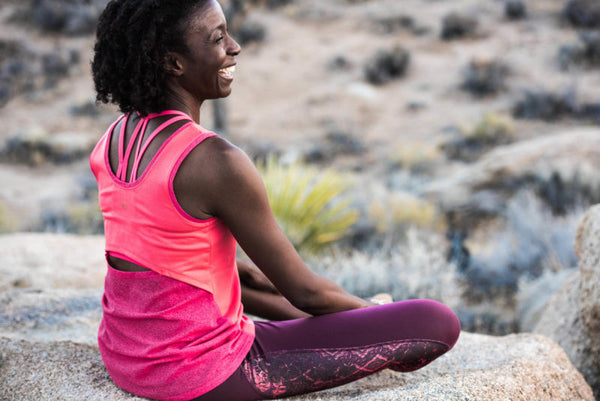
6 ways to get out of a rut.
Learn More
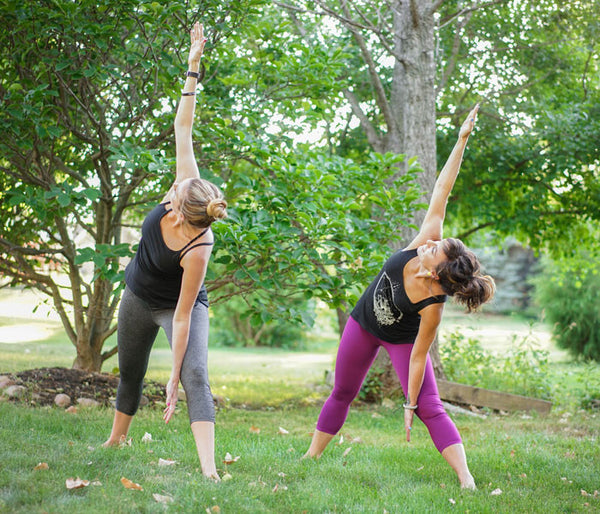
4 twists to clear your core
Learn More
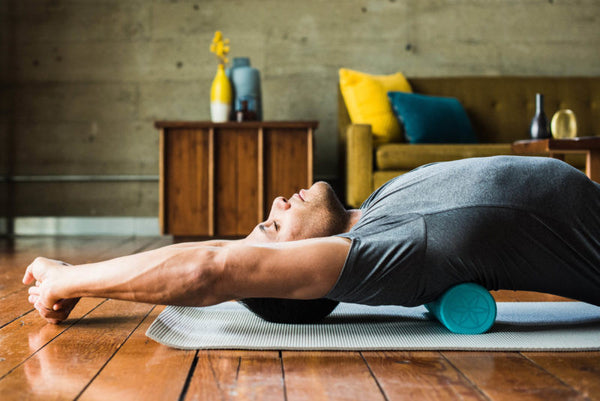
Warming up before you hit the mat
Learn More
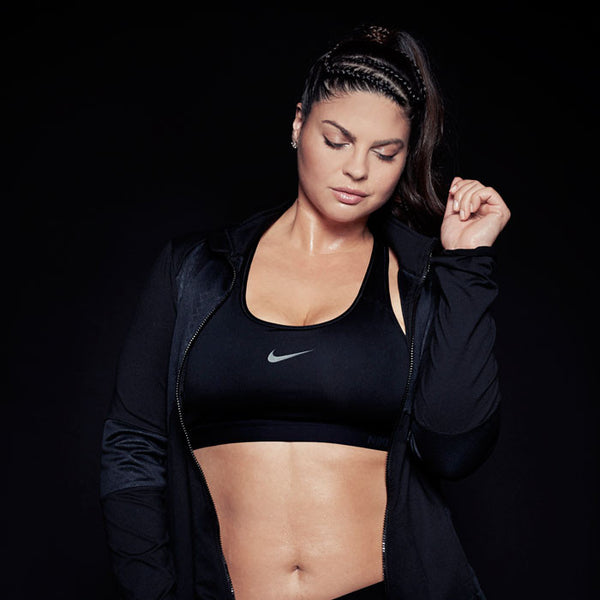
Your body is perfect, just as it is.
Learn More
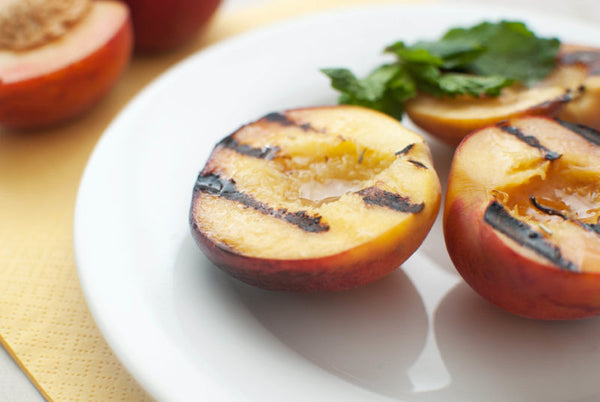
Avoid the fall dinnertime rut
Learn More
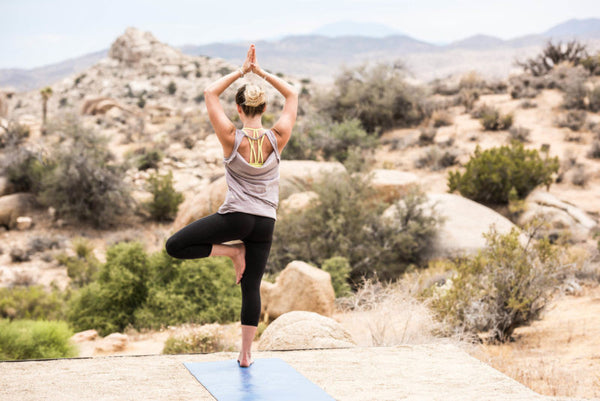
Learn about the most popular styles of yoga.
Learn More
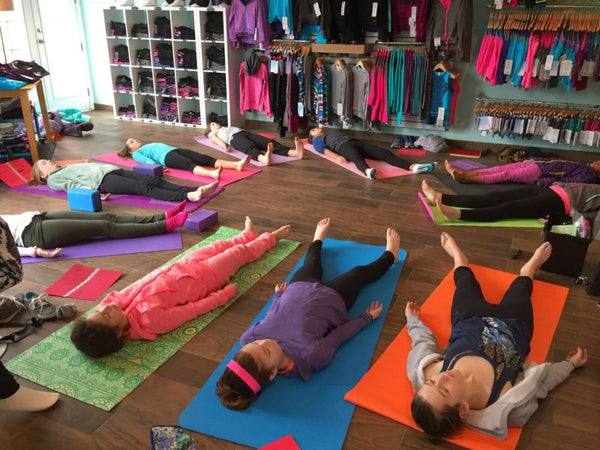
Can’t we all just get along?
Learn More
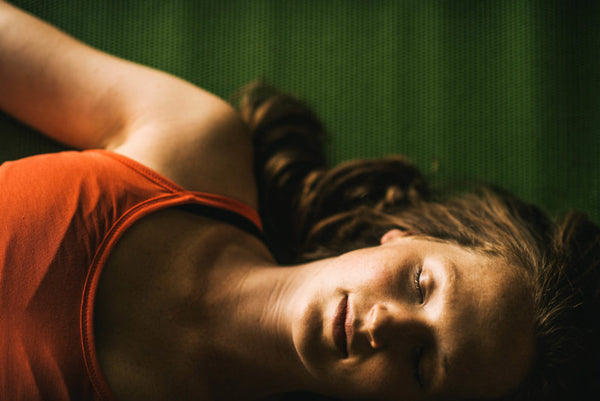
Try 3 types of breathing exercises
Learn More
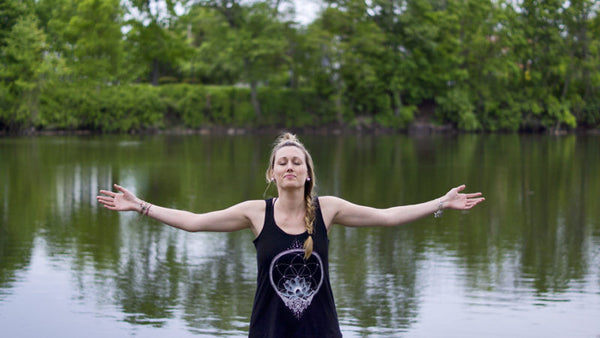
Do you find yourself constantly surrounded by noise and busyness?
Learn More
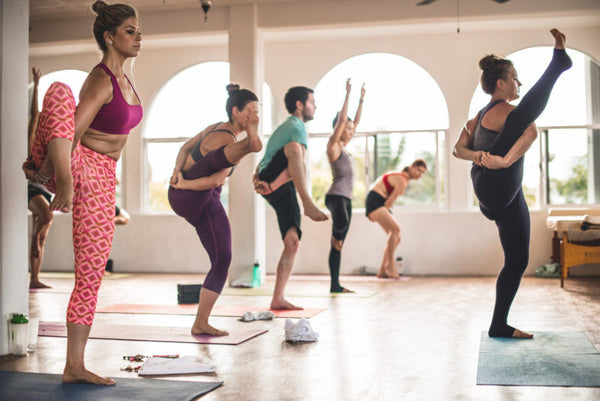
Take a look at a few interesting studies about yoga’s varied benefits on mental health.
Learn More
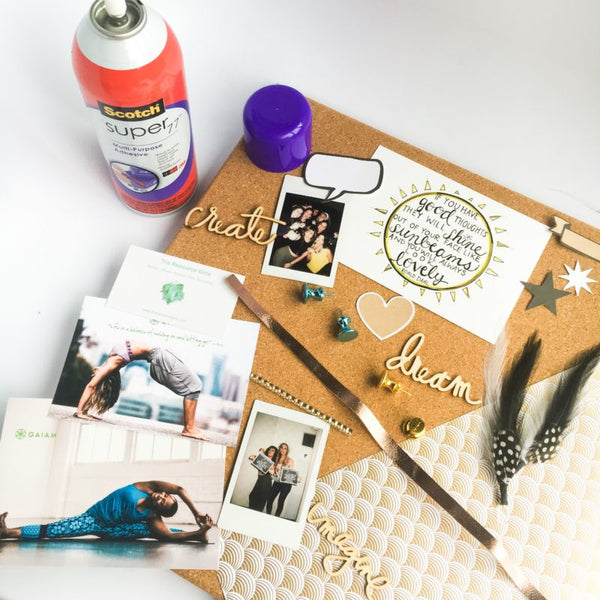
Spread positivity and light into your life with a mantra board
Learn More
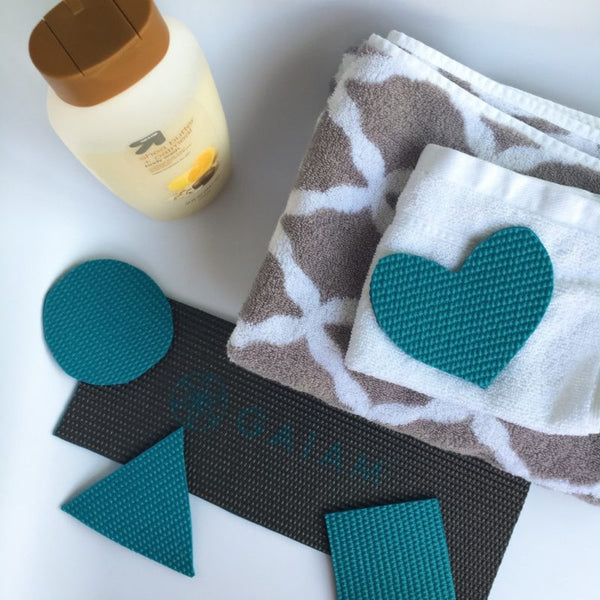
Yoga mat bath toys tutorial
Learn More
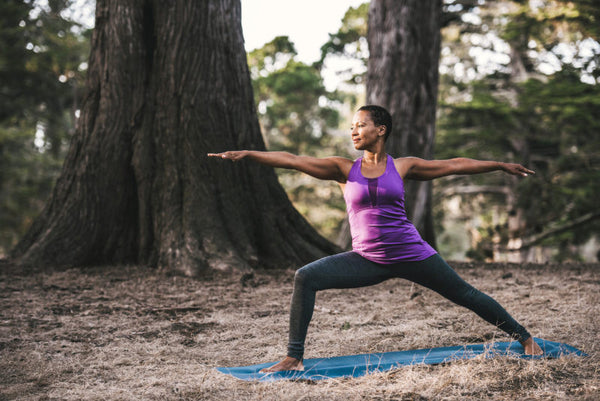
Slow down and experience the best of summer.
Learn More