
Yoga at Home
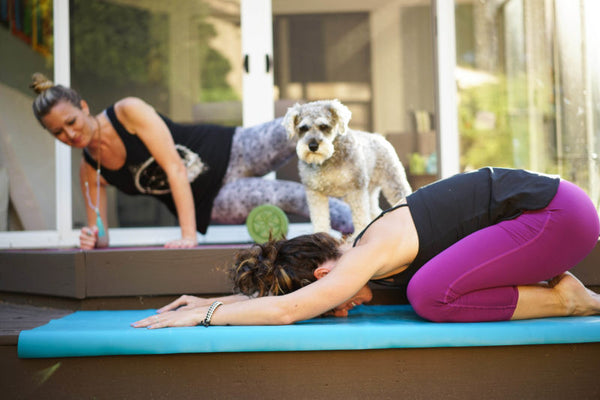
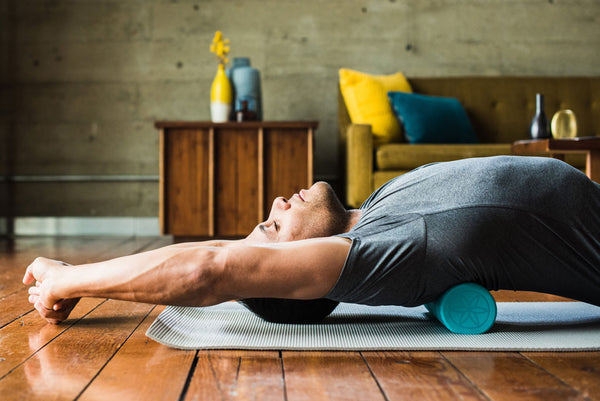
Yoga doesn't only have to happen in a studio, discover a stretch sequence to practice at home.
Calm in the Chaos
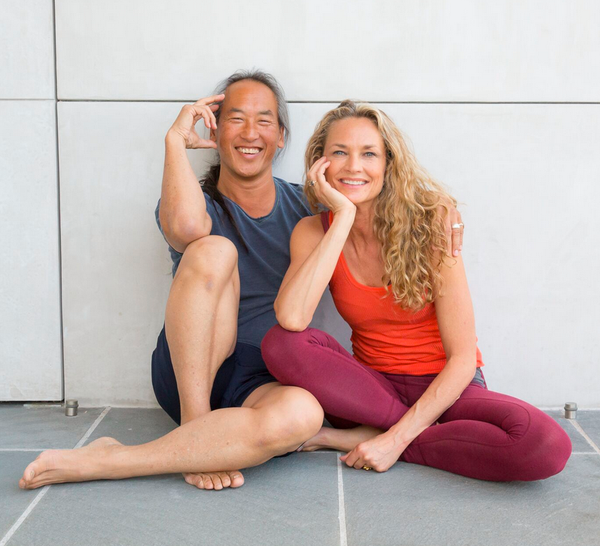
Discover why Chodo Campbell and Koshin Paley think Manhattan is the best place in the world to meditate.
Meet JJ
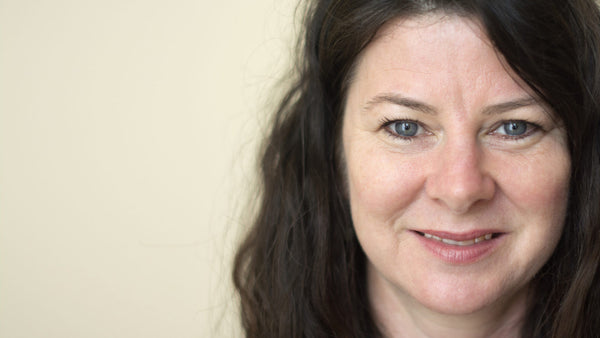
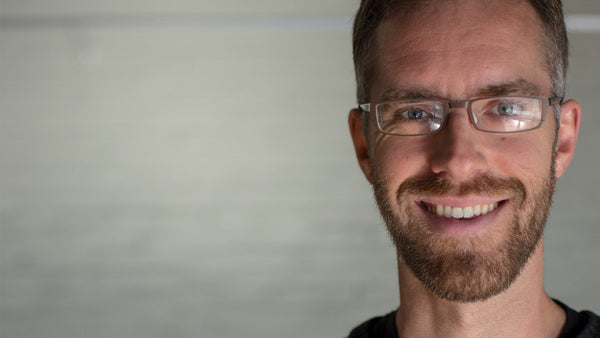
Photographer and yoga enthusiast JJ shares how Yoga Studio App helped him stay consistent with his practice.
Meet Morgan
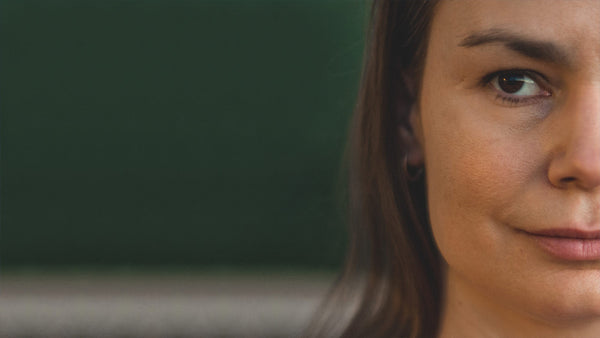
Legally blind since birth, Chandler, AZ mom Morgan found a way to move her body through Yoga Studio App.
Finding Peace
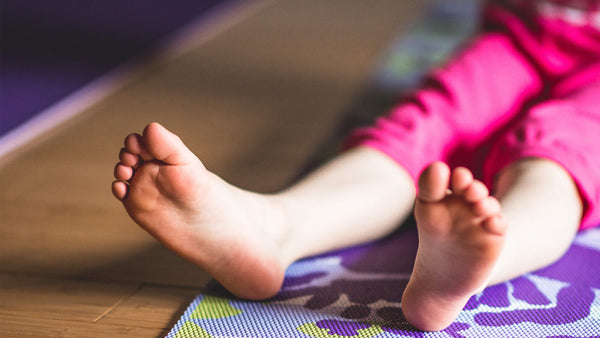
Learn how Exalted Warrior helps Veterans suffering from PTSD and physical injuries transition back into a successful civilian life through yoga and meditation.
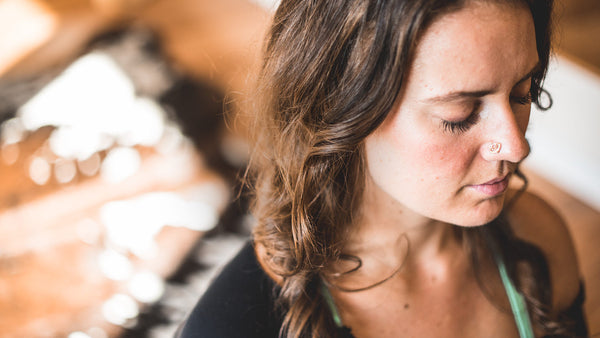
Meet Alexa
Yoga teacher Alexa Silvaggio shares how a re-encounter with yoga saved her from a devastating eating disorder.
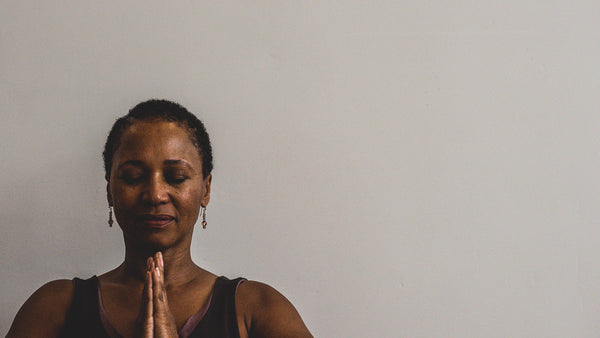
Meet Katrina
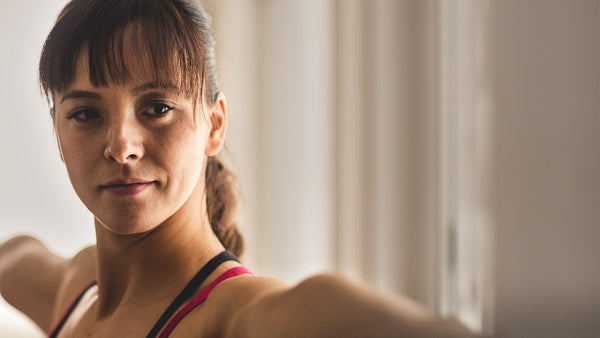
Katrina Lashea shares how creating a safe space for people of color to practice yoga inspired her to open her own studio.
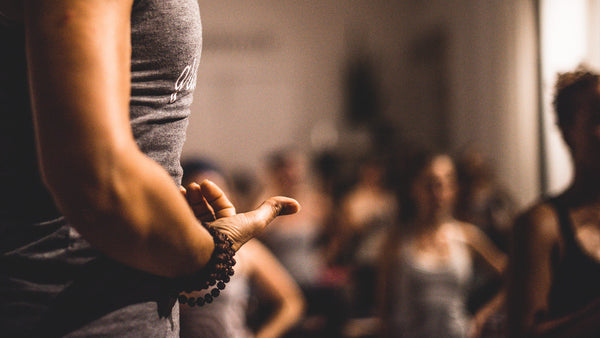
Meet Dana
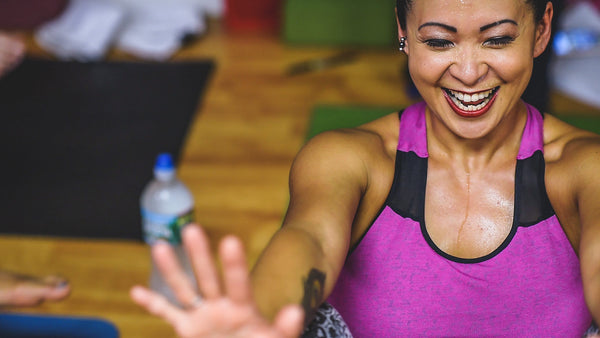
Marin County Yoga Teacher Dana Damara shares how yoga helped cure an exercise addiction and the changes her body saw during pregnancy.
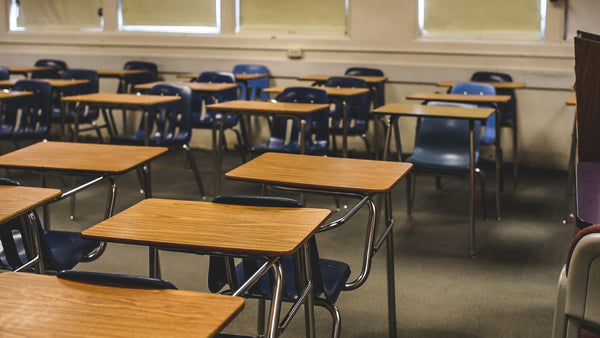
Yoga at Boulder High School
Learn how Gaiam helped support the growth of the yoga program amongst Boulder Valley High Schools in Colorado.
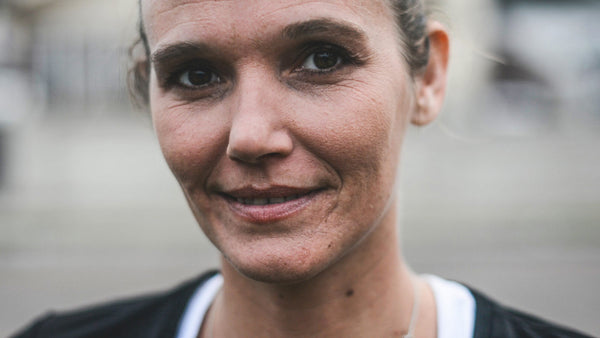
Meet Janette
Runner and mom Janette spends quality times with her kids through yoga with Yoga Studio App.
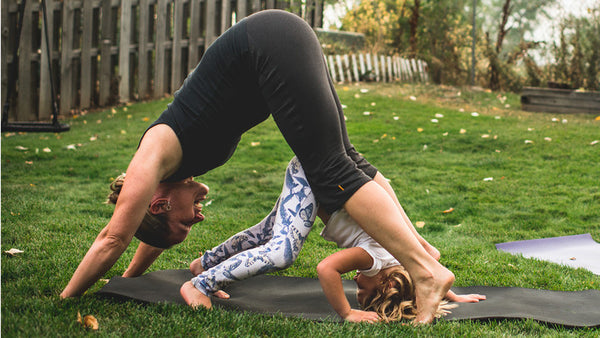
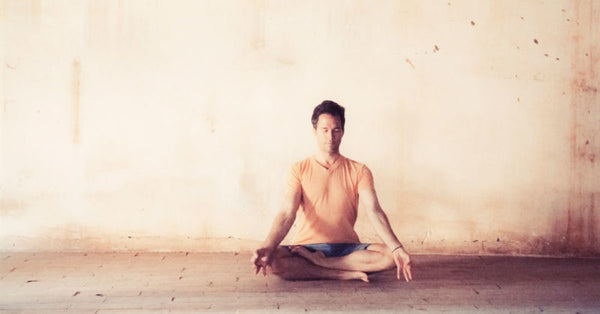
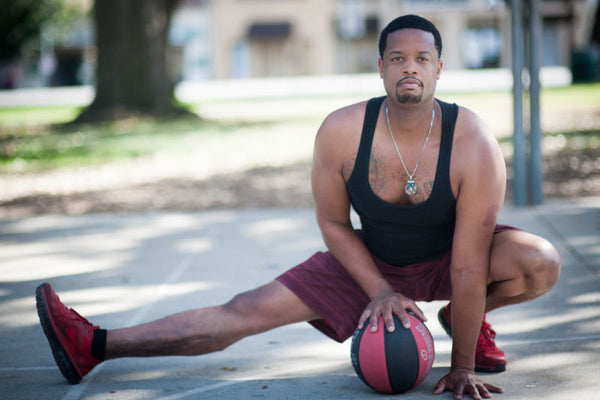
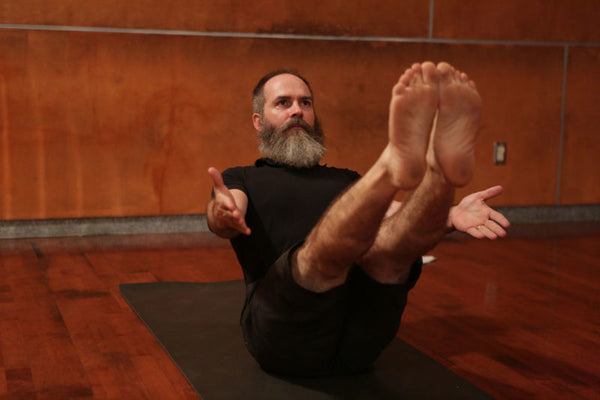
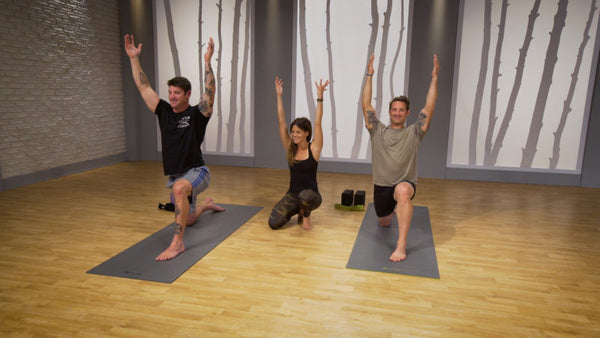
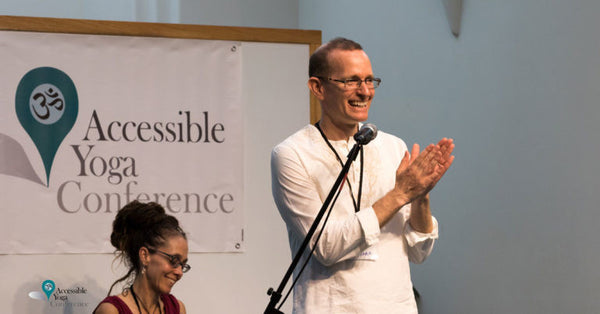
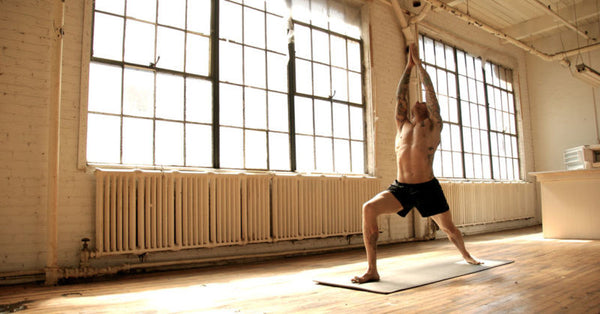
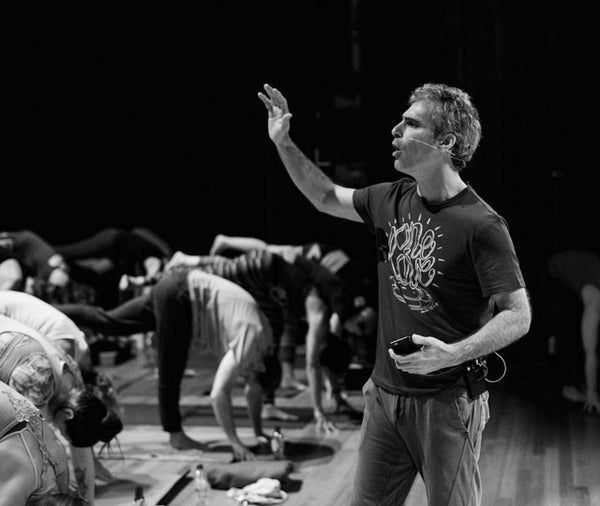
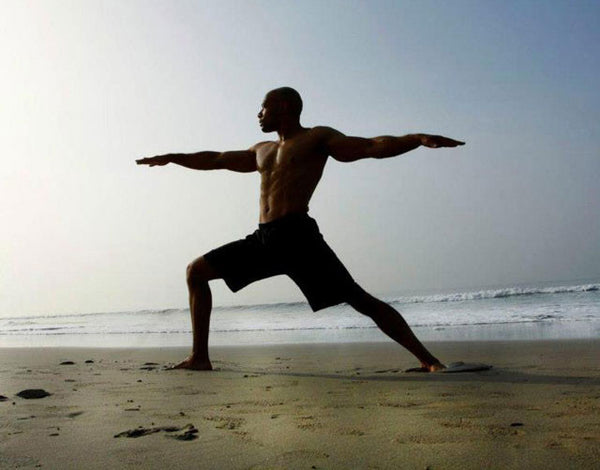
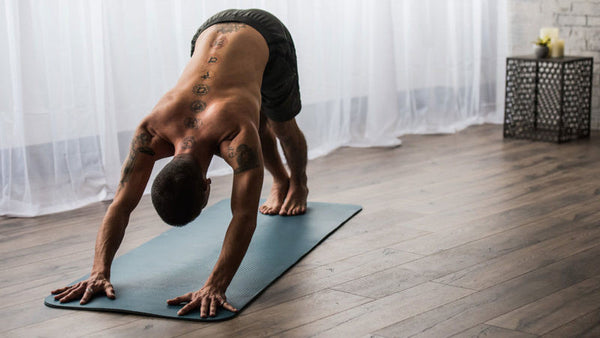
Yoga for Men Series
The Yoga and Body Image Coalition and Gaiam join forces to share stories of male yogis.
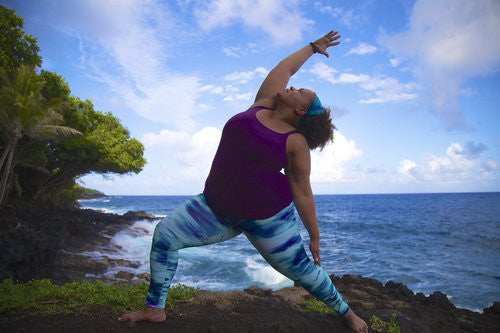
Nicole Yarbrough: Love Your Practice
Nicole shares her story and encourages others to find peace in self-acceptance.
Tapping into Your Inherent Creativity
3 ways to tap into your inherent artistry inspired by Claritas Collection.
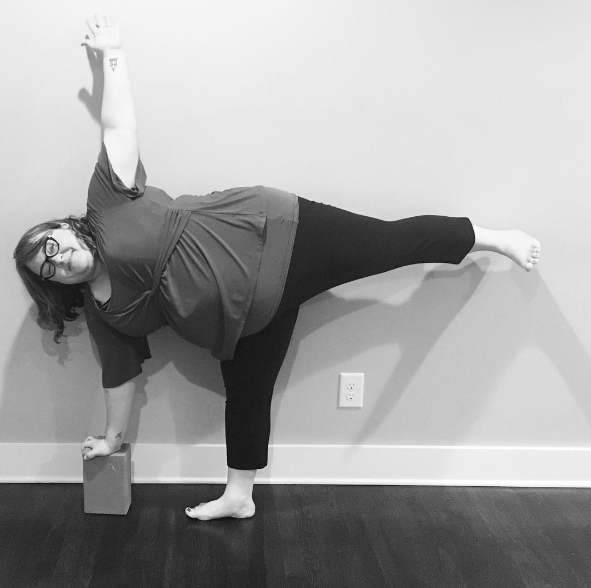
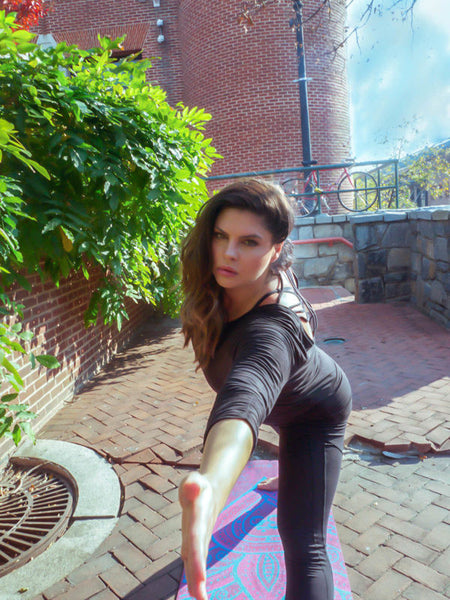
Melinda Parrish: Healthy at Any Size
Melinda Parrish, a plus size model and body positivity advocate shares her story.
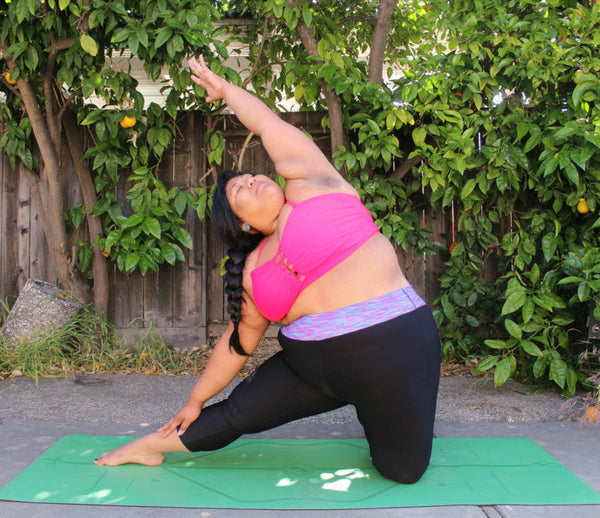
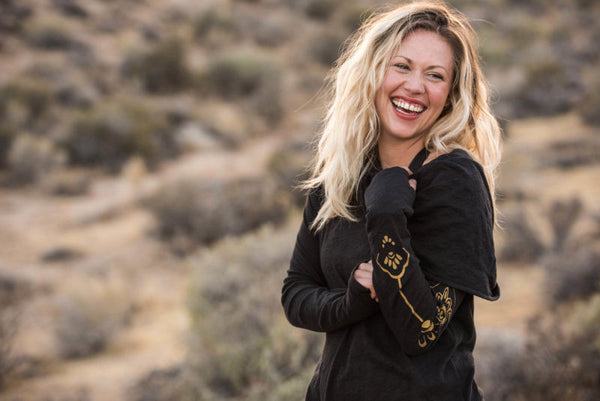
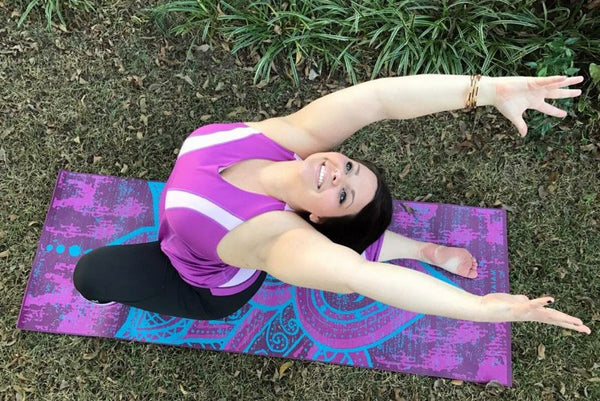
Brittany Danielle: Confidence and Self Love
Brittany Danielle shares her story through yoga with confidence and self love.